What is the fate of testosterone after entering the body?
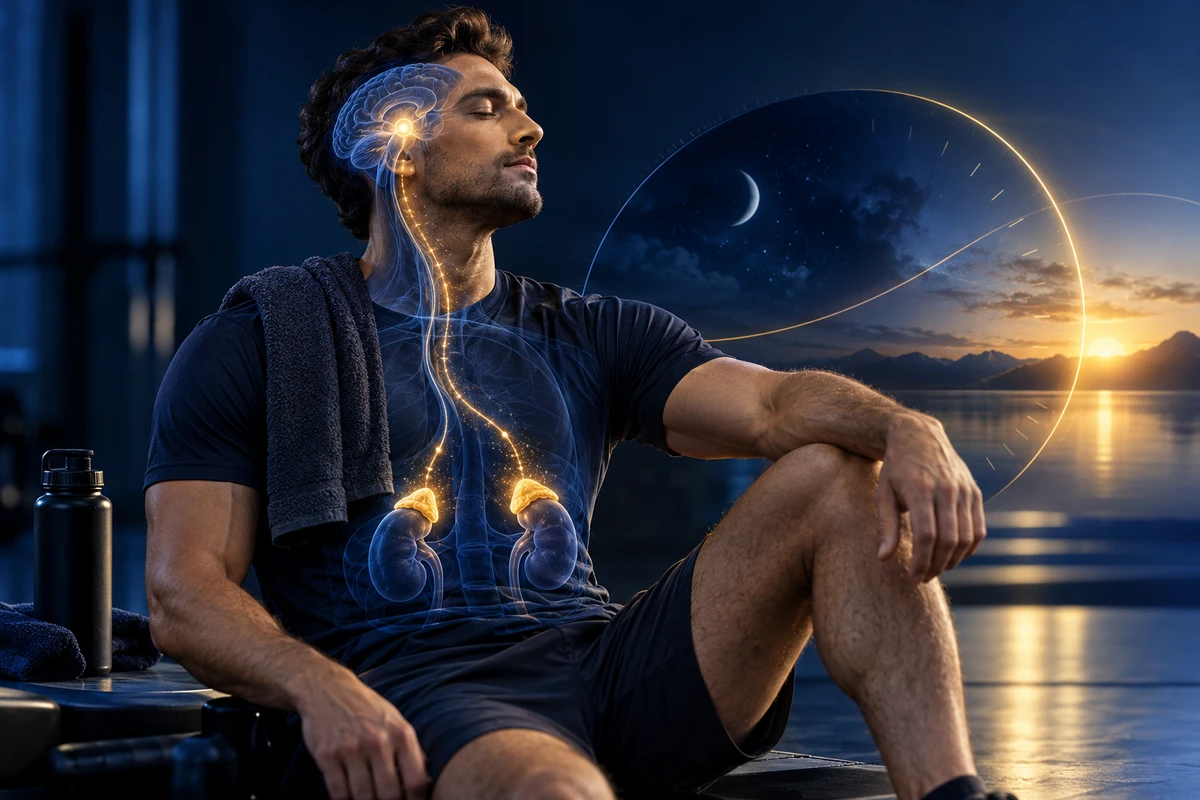
Most of the testosterone in the blood is bound to proteins such as SHBG and albumin, and a smaller portion circulates in free form. In different tissues, a part of testosterone is converted to DHT by 5-alpha reductase enzyme and a part to estradiol by aromatase.
The effect of each pathway depends on the tissue, the concentration of enzymes, the amount of the receptor and the physiological context. Therefore, a single number from a blood test cannot alone explain the muscle response.
How does the androgen receptor work?
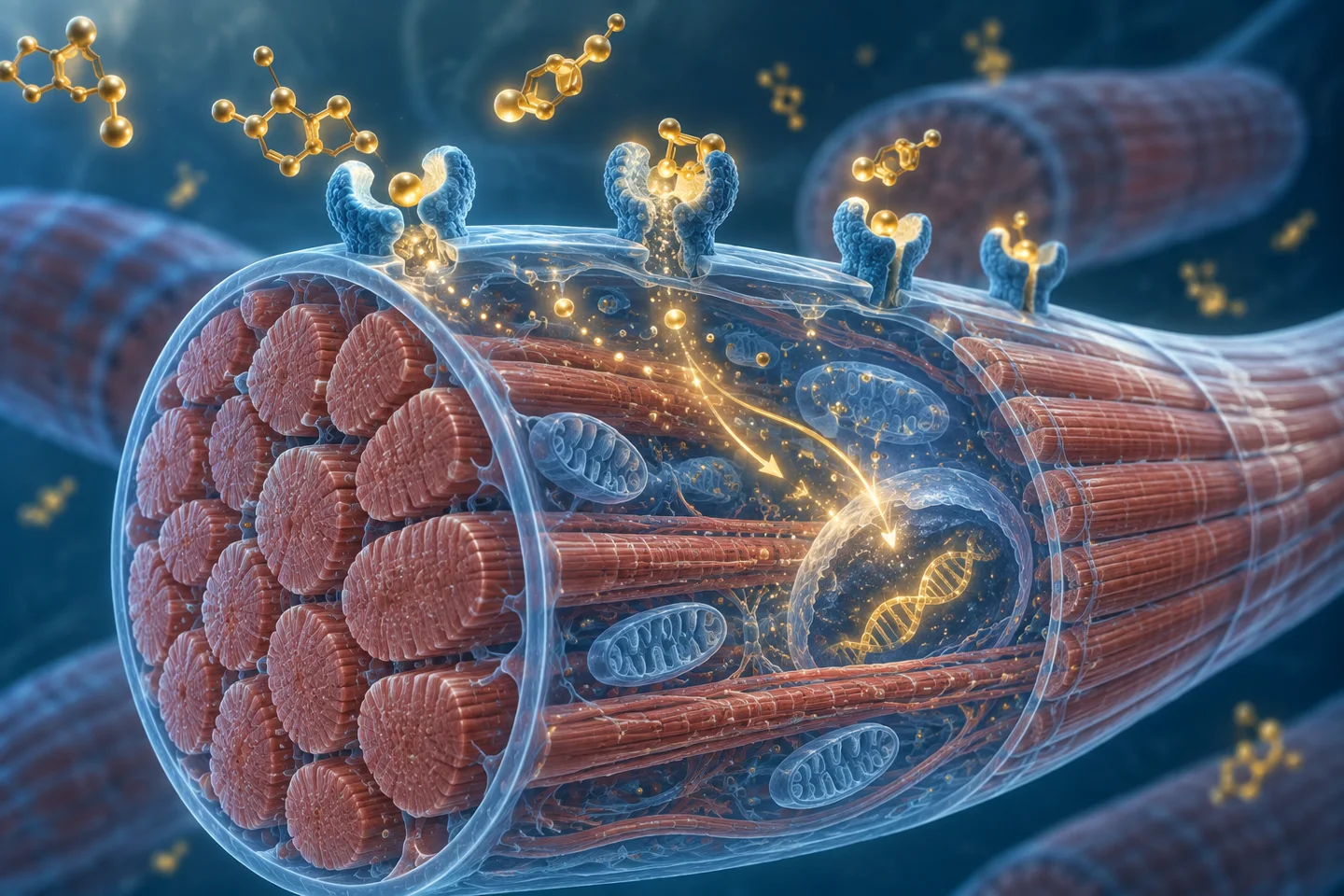
Androgen receptor is an intracellular receptor. Androgen binding changes its shape and location; The hormone-receptor complex can enter the nucleus and modulate the expression of genes and pathways related to growth, differentiation and protein metabolism.
The muscle-building effect of androgens is not limited to a simple lock and key and is formed by the interaction of genomic, non-genomic pathways, satellite cells, mechanical load and nutritional status.
Do receivers get "fatigued" after a few cycles?
The regulation of receptors is a real and dynamic phenomenon, but the direct extension of the concept of downregulation from a tissue or laboratory model to the cessation of muscle growth in humans is an oversimplification. Human evidence does not yet support a definitive formula for "androgen receptor resensitization."
Decreased progress can be caused simultaneously by an inappropriate training program, cumulative fatigue, insufficient sleep, insufficient energy or protein, stress, injury, and an individual's adaptation ceiling. Attributing all cases to receptors may obscure the root cause.
Exercise and the amount of receptors in the muscle
Human studies show that androgen receptor content in muscle and its translocation to the nucleus may be related to the hypertrophy response. These findings suggest a relationship, not a prescription for artificially increasing the receptor.
Adequate training load, rational volume distribution, recovery and adequate intake of energy and protein are still the basis of decision making. Supplements can only be considered if there is a real need and a realistic expectation.
Frontiers of evidence about supplements and PCT
Vitamin D, zinc, and magnesium are essential for general health, but correcting a deficiency is different from consuming more than needed. There is insufficient evidence that self-administration of these substances, ashwagandha, omega-3, or L-carnitine, can predictably "reset" the human androgen receptor.
PCT and hormone or drug use is a high-risk medical issue. Hormonal assessment, symptoms and tests should be done by a doctor and this article does not suggest any medication protocol.