What is the gut–liver axis?
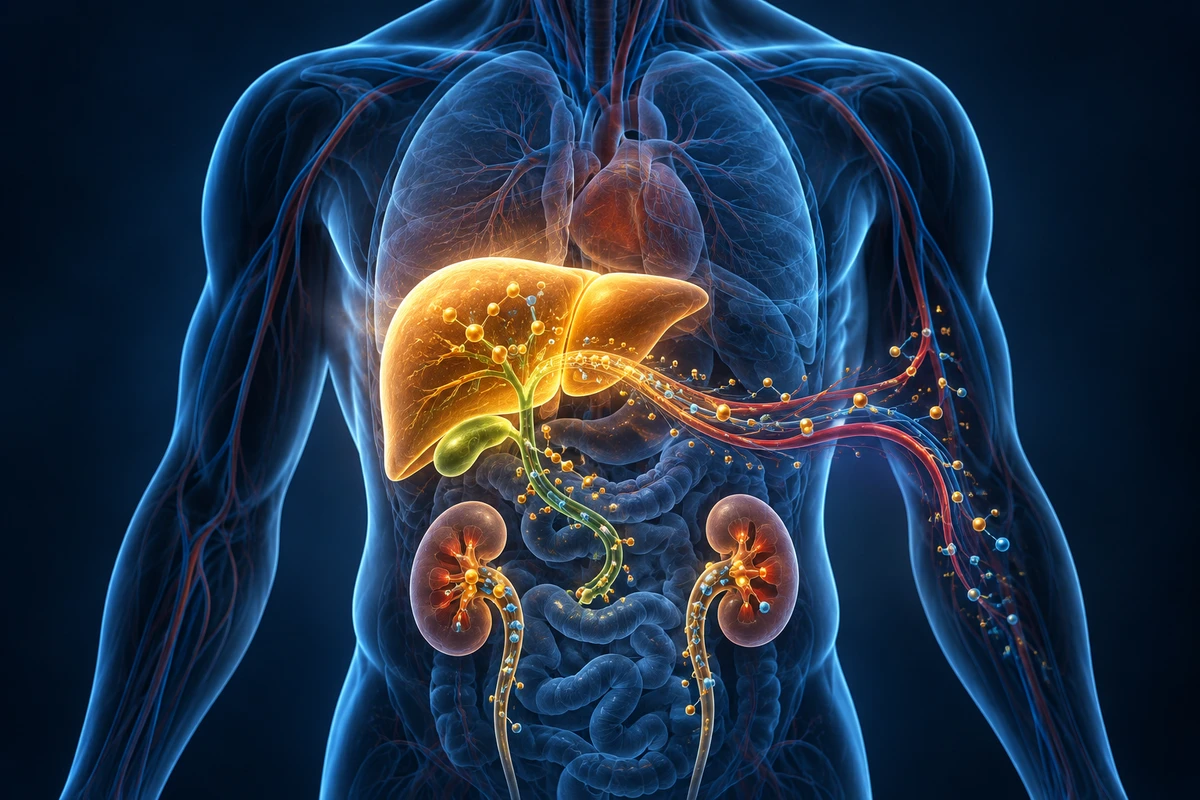
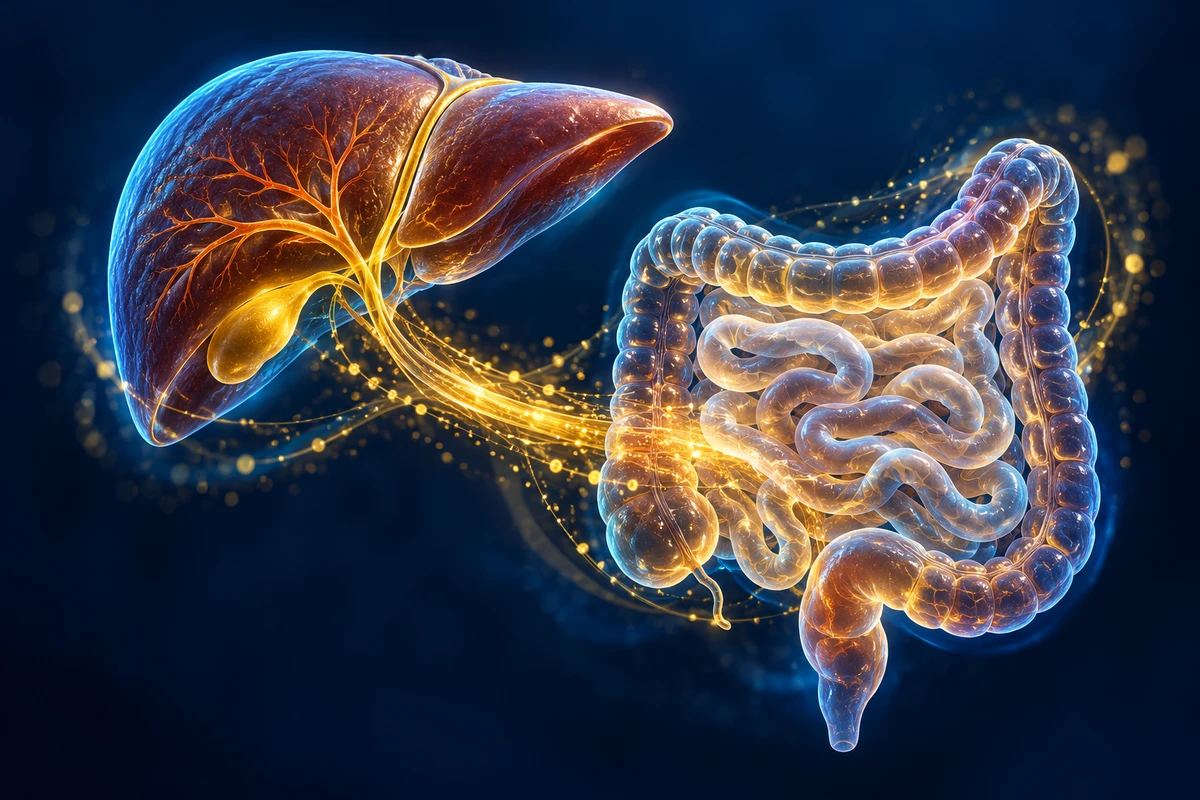
The gut–liver axis is a two-way communication network, not a separate organ. Absorbed nutrients and some microbial products travel from the intestine to the liver, while bile and liver-derived metabolic signals influence the intestinal environment. Diet, the microbiota and the gut barrier therefore cannot be considered entirely independent of liver function.
This connection does not mean that every liver problem starts in the gut or can be treated by changing gut bacteria. Appropriate history-taking, examination and laboratory assessment remain important when evaluating liver disease.
What is butyrate and how is it produced?
Butyrate is a short-chain fatty acid. Certain microbes in the large intestine produce it by fermenting available carbohydrates, including some fibers and resistant starch. Production depends on food type, microbial composition and intestinal conditions; the same fiber does not produce identical results in everyone.
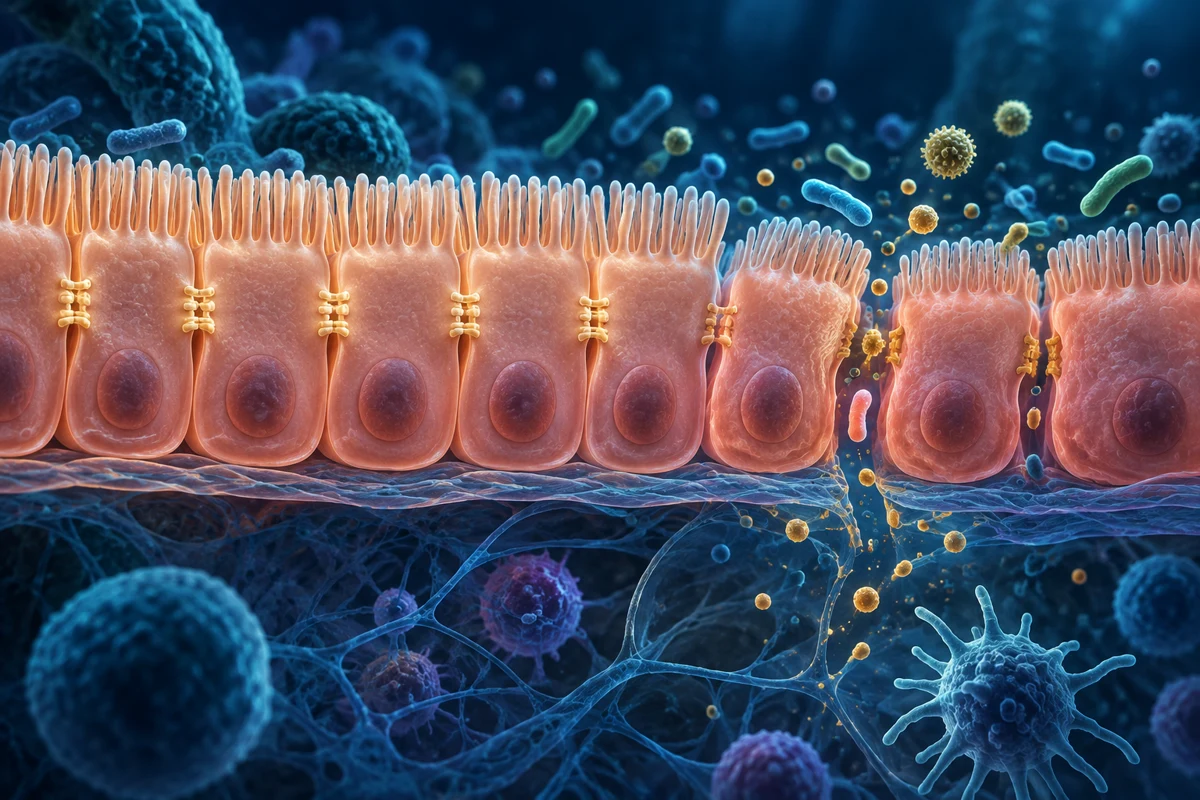
Cells lining the large intestine use butyrate as an energy source. It has also been investigated in signaling pathways. This biological explanation is different from a proven claim of improved athletic performance or liver regeneration in humans.
Probiotics, prebiotics and postbiotics are not interchangeable
A probiotic is a live microorganism with a demonstrated health benefit when administered in an adequate amount. A prebiotic is a substrate selectively used by host microorganisms that provides a health benefit. Not every fiber or fermented food automatically qualifies as a probiotic or prebiotic.
Under the ISAPP consensus definition, a postbiotic is a preparation containing inanimate microorganisms and/or their components with a demonstrated health benefit. A purified metabolite such as butyrate, without microbial components, does not qualify on its own. The product identity and evidence matter more than marketing terminology.
Inflammation and immunity: mechanisms are not treatment outcomes
Laboratory and animal studies have found effects of butyrate on regulatory immune cells and macrophage activity. Research by Furusawa and colleagues in Nature and by Chang and colleagues in PNAS investigated pathways related to inflammatory regulation. These findings are biologically important but do not constitute a human dosing prescription.
A reduction in an inflammatory signal in an experimental model does not establish that a supplement will improve liver disease, chronic inflammation or an athlete’s recovery. The study population, formulation and clinical outcome must be specified.
What does human research on diet and the microbiota show?
In a small randomized study with 36 participants, high-fiber and high-fermented-food diets did not have identical effects. Immune responses in the high-fiber group varied, while the fermented-food group showed changes in microbial diversity and some inflammatory markers. This exploratory study did not establish a treatment for liver disease or the superiority of a supplement.
What is a practical approach to everyday nutrition?
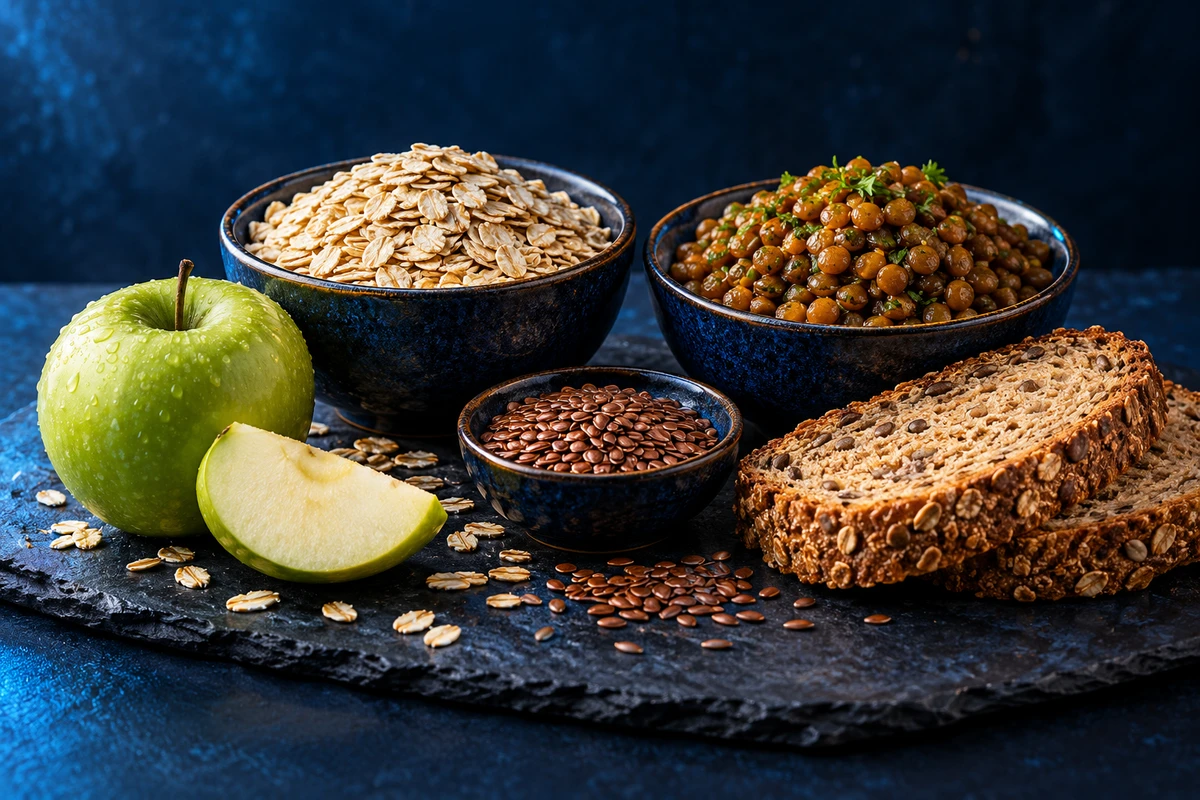
Rather than focusing on a single molecule or immediately buying a supplement, consider plant-food variety and your digestive tolerance. Increase fiber gradually; bloating after large amounts of inulin or legumes does not automatically mean you need a probiotic.
- Distribute whole grains, oats, legumes, vegetables and fruit across meals according to individual tolerance.
- Do not remove fiber sources without a reason from a high-protein sports diet; around competition, adapt timing to digestive needs.
- Do not self-prescribe antibiotics or discontinue prescribed medication without professional advice.
- Persistent symptoms, blood in the stool, unexplained weight loss or jaundice require medical assessment rather than supplement shopping.
Bottom line: food is the foundation, not a universal supplement
Butyrate is part of a complex relationship between the gut, immunity and metabolism. A varied, tolerable diet is a more reasonable starting point than promises of treatment with one supplement. If you have liver or digestive disease, supplement decisions should reflect your circumstances and the evidence for that specific product.
Frequently asked questions
Is butyrate the same as a postbiotic?
No. Butyrate is a microbial metabolite. Under the ISAPP definition, a purified metabolite without inanimate microorganisms or their components is not a postbiotic on its own.
Do butyrate supplements treat fatty liver disease?
Butyrate’s biological role does not establish it as a proven treatment for fatty liver disease. Medical assessment and human evidence for the specific product and condition are needed.
What foods support butyrate production?
Some fermentable fibers and resistant starch can provide substrates. Dietary variety, gradual increases and individual tolerance matter; no single food guarantees the same result for everyone.
Resources and further reading
- ISAPP — Consensus definitions of probiotics, prebiotics and postbiotics ↗
- Salminen et al. — ISAPP consensus on postbiotics (2021) ↗
- Furusawa et al. — Butyrate and regulatory T cells (Nature, 2013) ↗
- Chang et al. — Butyrate and macrophage function (PNAS, 2014) ↗
- Wastyk et al. — Gut microbiota-targeted diets and immune status (Cell, 2021) ↗