What is fiber and why is it not just about constipation?
Dietary fiber includes carbohydrates that are not fully digested in the small intestine and have different physiological effects. Some influence stool consistency, some affect nutrient absorption and others are fermented by intestinal microbes. Both quantity and fiber type matter.
Human research links higher fiber and whole-grain intake with better health outcomes, but an association is not a guarantee of prevention for an individual. A fiber supplement does not necessarily replace dietary variety.
Three properties, not four completely separate groups
Solubility, viscosity or gel formation, and fermentability are separate properties. A fiber can be soluble and gel-forming yet slowly fermented; another may be soluble and highly fermentable without forming a substantial gel. It is inaccurate to say that all soluble fibers form gels.
Foods usually contain a mixture of fiber types. Labeling a fruit or legume as ‘only soluble’ or ‘only insoluble’ is often an oversimplification. Preparation and portion size also affect the digestive experience.
Soluble and viscous fibers: examples and uses
Beta-glucan from barley and oats, pectin in some fruits, and psyllium have different properties. Certain viscous fibers can improve post-meal glucose responses or cholesterol, but the effect depends on the type, amount and overall diet.
The joint AGA and ACG guideline for chronic constipation in adults gives a conditional recommendation for fiber supplementation; among the fibers assessed, evidence is clearer for psyllium. This does not mean that every fiber powder is appropriate or that all constipation should be treated the same way.
Insoluble fiber: stool consistency and bulk
Whole grains, bran, nuts and many vegetables provide insoluble fiber. These fibers can support stool bulk and transit, but adding large amounts of bran does not work identically for everyone. Some people, particularly those with irritable bowel symptoms, may experience more discomfort.
Fermentable fiber, butyrate and bloating
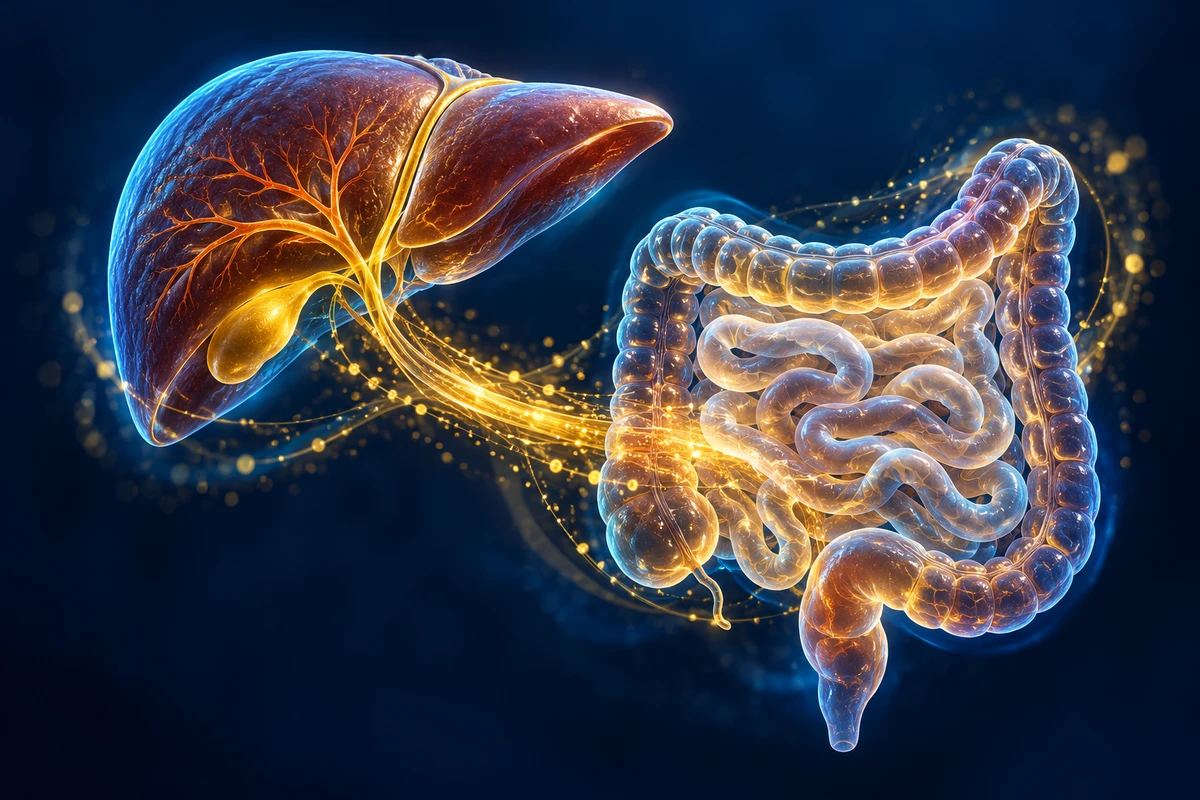
Intestinal microbes ferment some fibers and resistant starch, producing compounds such as short-chain fatty acids. This process can also generate gas. Inulin and some oligosaccharides are well tolerated by certain people but cause bloating in others, particularly after a sudden increase.
Temporarily reducing a trigger food is different from permanently eliminating all fiber sources. If symptoms recur, track fiber type, amount and timing so your plan can be adjusted to your tolerance rather than built around a long list of prohibited foods.
How much fiber do adults need each day?
The World Health Organization recommends at least 25 grams of naturally occurring dietary fiber from foods daily for adults. Individual needs vary with age, energy intake, digestive conditions and illness. This goal should not be interpreted as suddenly adding 25 grams of supplement powder.
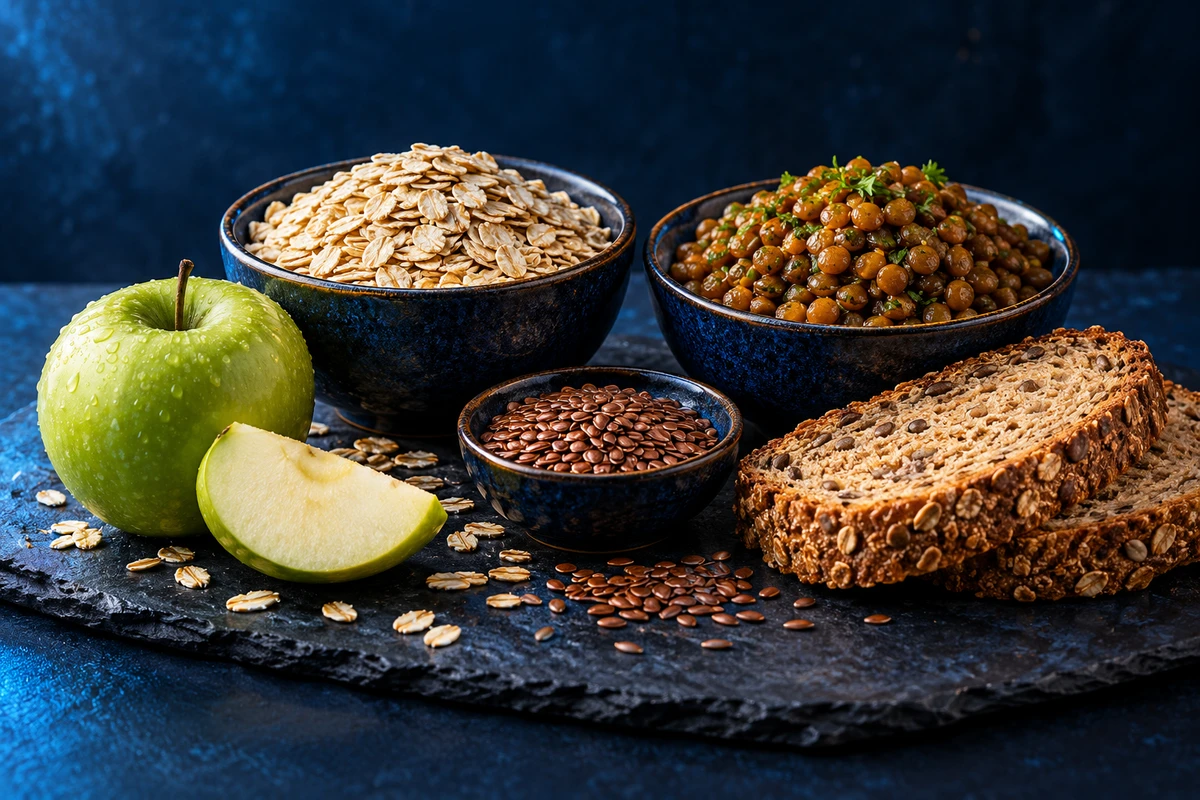
A simple pattern might include oats or whole-grain bread at breakfast, vegetables and tolerated legumes in main meals, and whole fruit as a snack. Check labels or food-composition data for fiber quantities: portion sizes matter.
How can fiber be increased with less discomfort?
Start with gradual increases and fluid intake appropriate to your needs. Bulk-forming supplements should be taken according to their labels with adequate liquid; swallowing difficulties or possible obstruction require medical advice. Ask a pharmacist about appropriate spacing from medication.
- Add one new source in a small amount and assess tolerance before increasing it.
- Cook legumes thoroughly; a smaller portion may be better tolerated.
- If large amounts of fiber trigger symptoms, avoid placing them immediately before exercise or competition; trial your plan during training first.
- Do not manage constipation accompanied by bleeding, severe pain, weight loss or vomiting with fiber alone.
Bottom line: choose fibers you can tolerate
Useful fiber is not a single substance or supplement. Combining food sources, increasing gradually and observing symptoms provides a better foundation for most people. Persistent constipation or digestive disease needs assessment; this article does not replace diagnosis or an individualized treatment plan.
Frequently asked questions
Do all soluble fibers form gels?
No. Solubility, viscosity and fermentability are different properties. A soluble fiber may be readily fermented without forming a substantial gel.
Is more fiber always better for constipation?
No. The cause of constipation, fiber type and individual tolerance matter. Abrupt increases may worsen bloating and pain; persistent symptoms need assessment.
Should athletes eliminate fiber?
Permanent elimination is not a general recommendation. If fiber causes symptoms near exercise, adjust timing and quantity while retaining tolerated sources during the rest of the day.
Resources and further reading
- WHO — Carbohydrate intake for adults and children (2023) ↗
- Reynolds et al. — Carbohydrate quality and human health (Lancet, 2019) ↗
- AGA–ACG — Clinical guideline on chronic idiopathic constipation (2023) ↗
- NIDDK — Eating, diet and nutrition for constipation ↗
- NIDDK — Eating, diet and nutrition for irritable bowel syndrome ↗