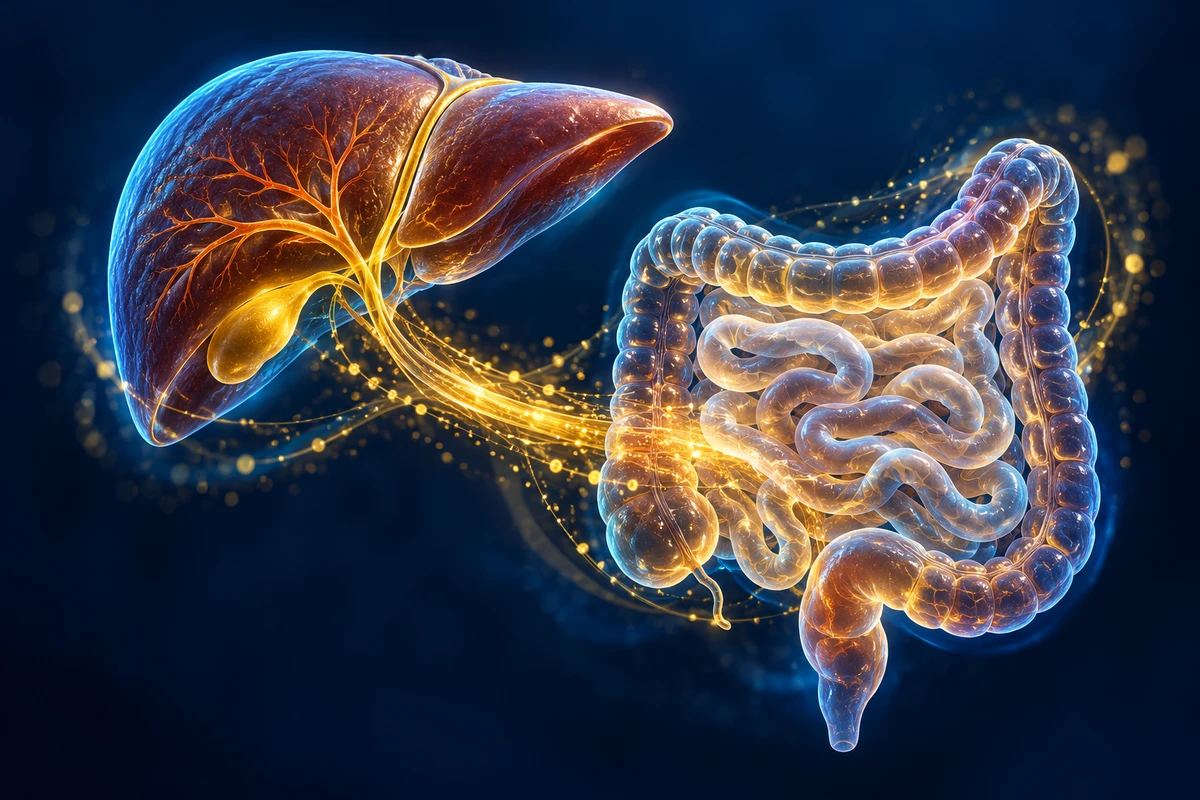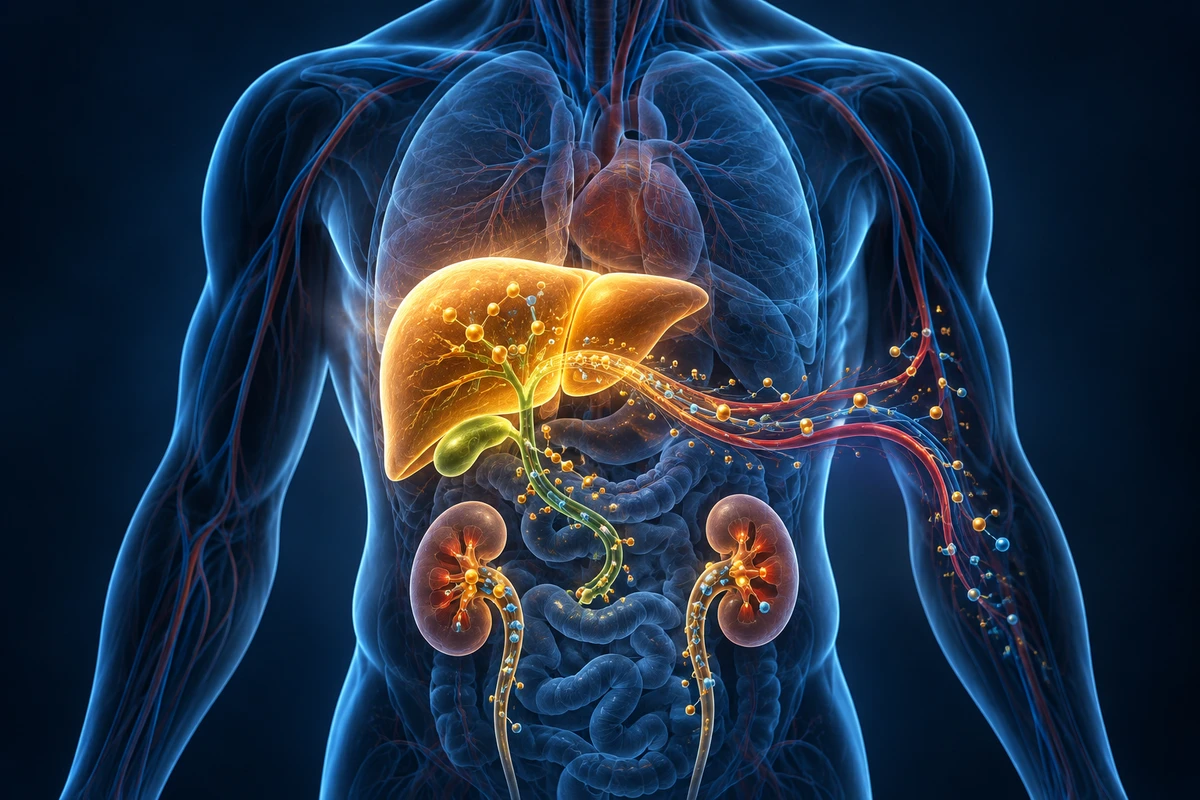
How does the intestinal barrier work?
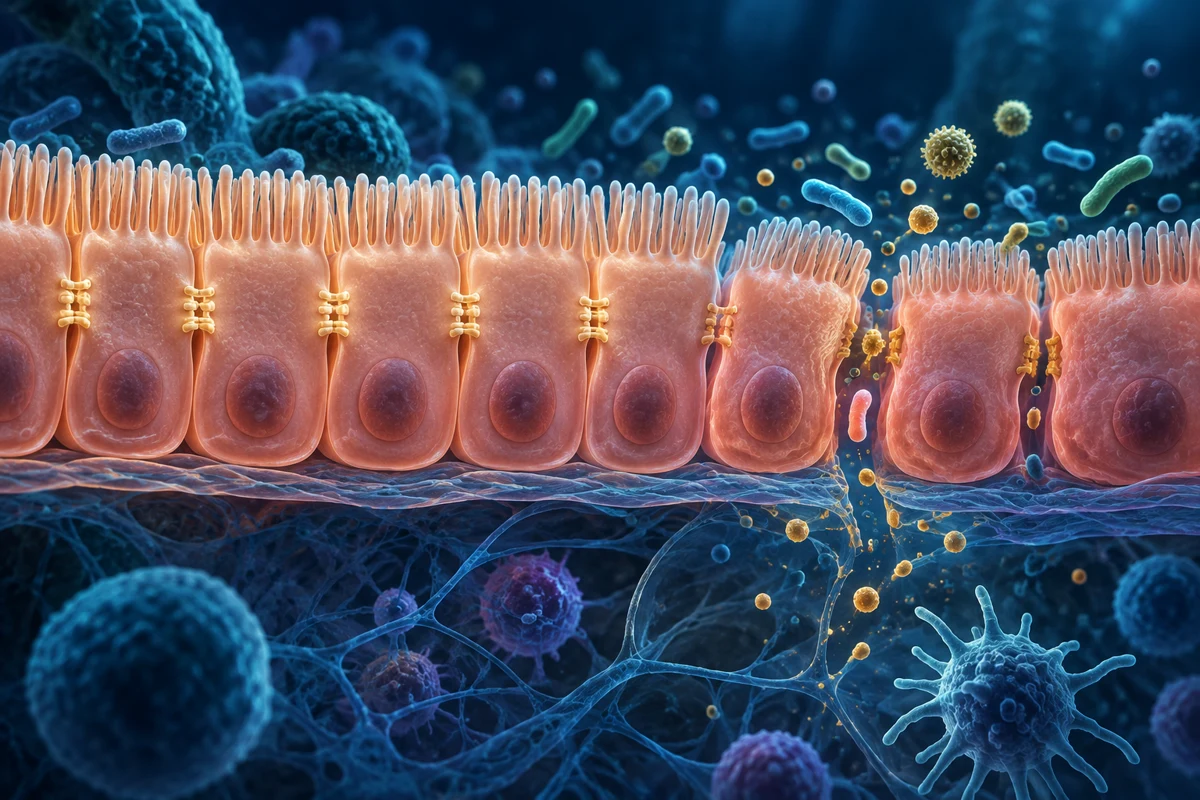
The intestinal lining must both allow nutrients and water to pass through and limit the unwanted entry of harmful microbes and molecules. Tight connections between cells, mucous layer, microbiome and mucosal immunity are the components of this barrier.
When the permeability increases too much, the passage of some molecules increases; But this finding alone is not the name of an independent disease or the explanation of all general symptoms.
What things are associated with greater permeability?
Celiac disease, inflammatory bowel diseases, infections, alcohol consumption, some non-steroidal anti-inflammatory drugs and severe physiological stress are some of the studied areas. Long, heavy exercise, especially in the heat, can also temporarily stress the intestinal barrier.
In many diseases, it is still unclear whether increased permeability is the primary cause, a consequence of the disease, or part of a bidirectional cycle.
Dysbiosis, tight junction and zonulin
Proteins such as claudin, occludin and ZO-1 play a role in building intercellular junctions. Inflammation and changes in the intestinal environment can change their expression and function.
Zonulin is one of the most prominent regulators, but commercial tests of zonulin and the interpretation of a single number have limitations. Arbitrary diagnosis based on a non-standard test is not recommended.
glutamine; Promising mechanism, context-dependent clinical outcome
Glutamine is an important fuel for some intestinal and immune cells, and pathways related to the mucosal barrier have been investigated in laboratory studies.
However, meta-analysis of human trials did not show a significant overall effect on permeability, and subgroup results were heterogeneous. These data do not establish a general prescription for high-dose glutamine or treatment of all gastrointestinal symptoms.
Safe assessment path
Symptoms such as bloating, abdominal pain, diarrhea or fatigue are not specific. Evaluation should begin with history, medications, food pattern, warning signs, and check for diagnoses.
Unwanted weight loss, bleeding, fever, anemia, persistent vomiting, or nocturnal symptoms require medical evaluation. Sleep modification, training load management, and varied dietary pattern can be part of care, but it does not replace the diagnosis of the cause.