Short answer: What does liver detoxification mean?
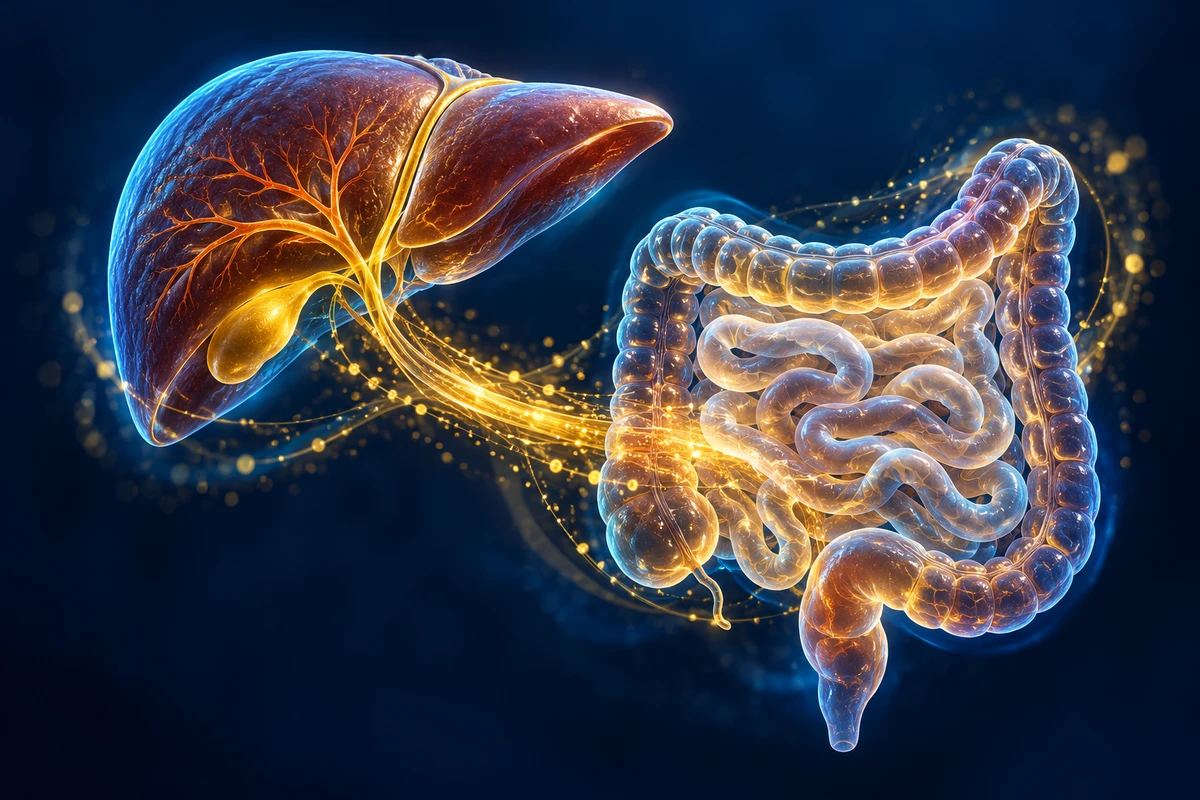
In medicine, detoxification refers to the non-absorption, chemical change, and elimination of foreign substances or potentially harmful metabolites. The liver does a large part of this, but the gut, kidney, lung, and cellular transporters are also involved.
This process is continuous and dependent on enzymes; It is not replaced by juicing, cleansing fasting, or a specific supplement. In true poisoning, treatment depends on the substance, amount and time of exposure and may be a medical emergency.
Phase 1: Chemical modification by CYP enzymes
In phase 1, reactions such as oxidation, reduction, and hydrolysis change the molecule. The cytochrome P450 family metabolizes many drugs and foreign substances.
Phase 1 product is not always safe; Sometimes the metabolite becomes more reactive. For this reason, a faster phase is not necessarily better, and manipulating enzymes with supplements or food can change the levels of some drugs.
Phase 2: conjugation and solubilization
In phase 2, groups such as glucuronide, sulfate, or glutathione are added to the molecule to make it usually more polar and repulsive. UGT enzymes and sulfotransferases are important examples of this stage.
Glutathione is involved in antioxidant defense and some conjugation reactions, but eating a certain food does not directly transfer glutathione to the liver or treat liver damage. The body needs amino acids and sufficient nutritional status to make it.
Phase 3: transfer and elimination
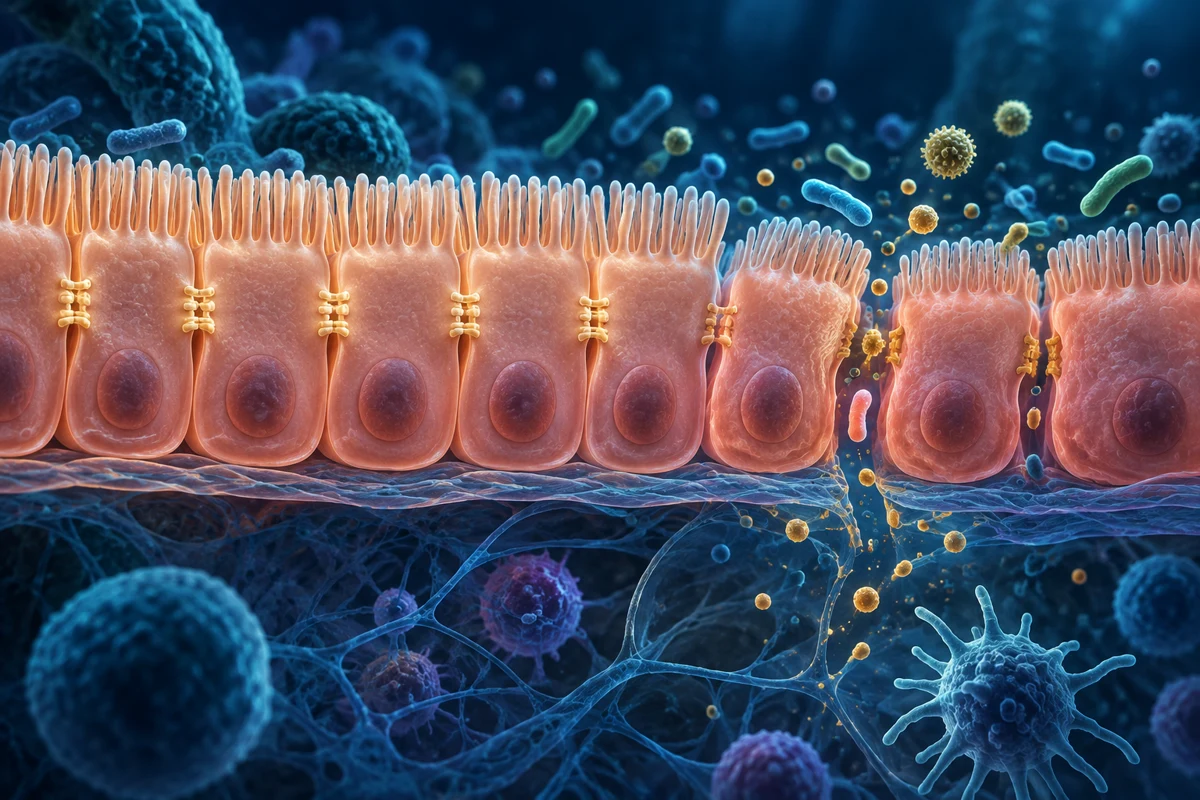
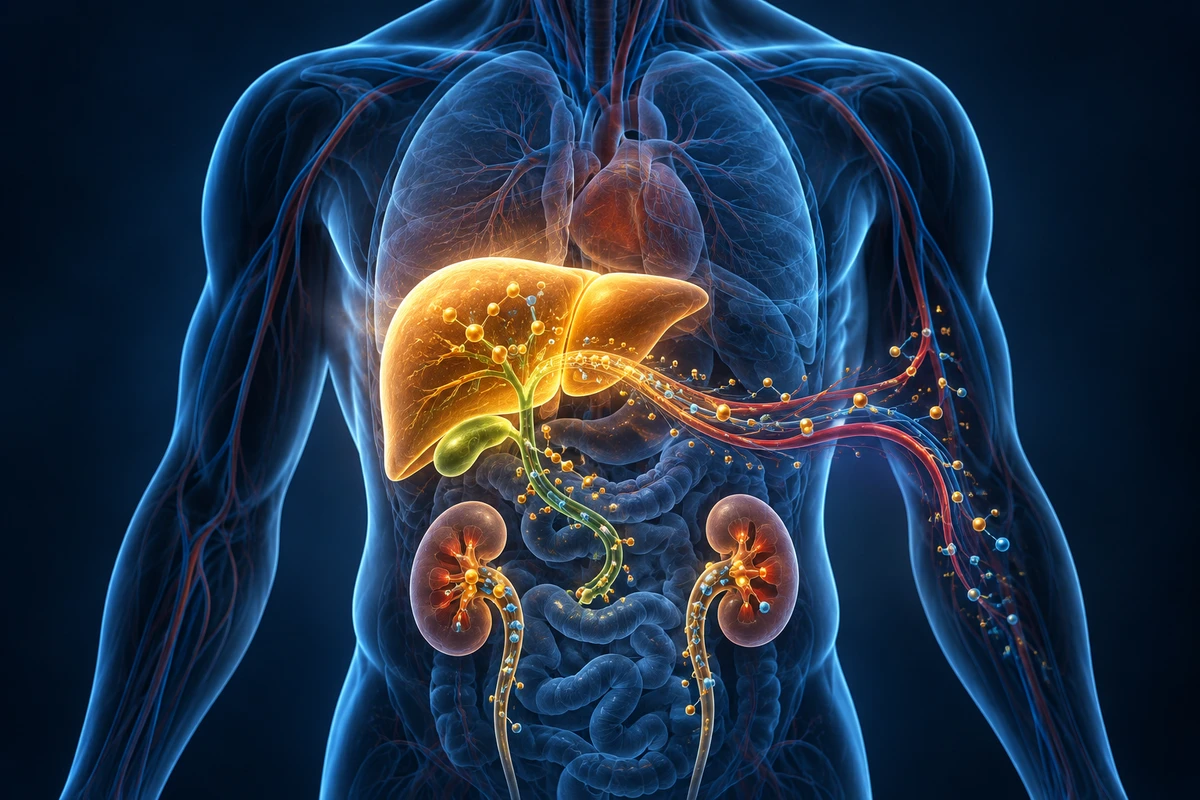
Membrane transporters transport metabolites from the hepatocyte to the bile or blood. Water-soluble substances can be excreted through the kidneys and urine, and a part enters the intestines and feces with bile.
Sweating is not the main way to clear drugs or toxins. Adequate water is important for the normal functioning of the body, but drinking more water than needed does not speed up the elimination indefinitely and is dangerous in excess.
Can food support the liver?
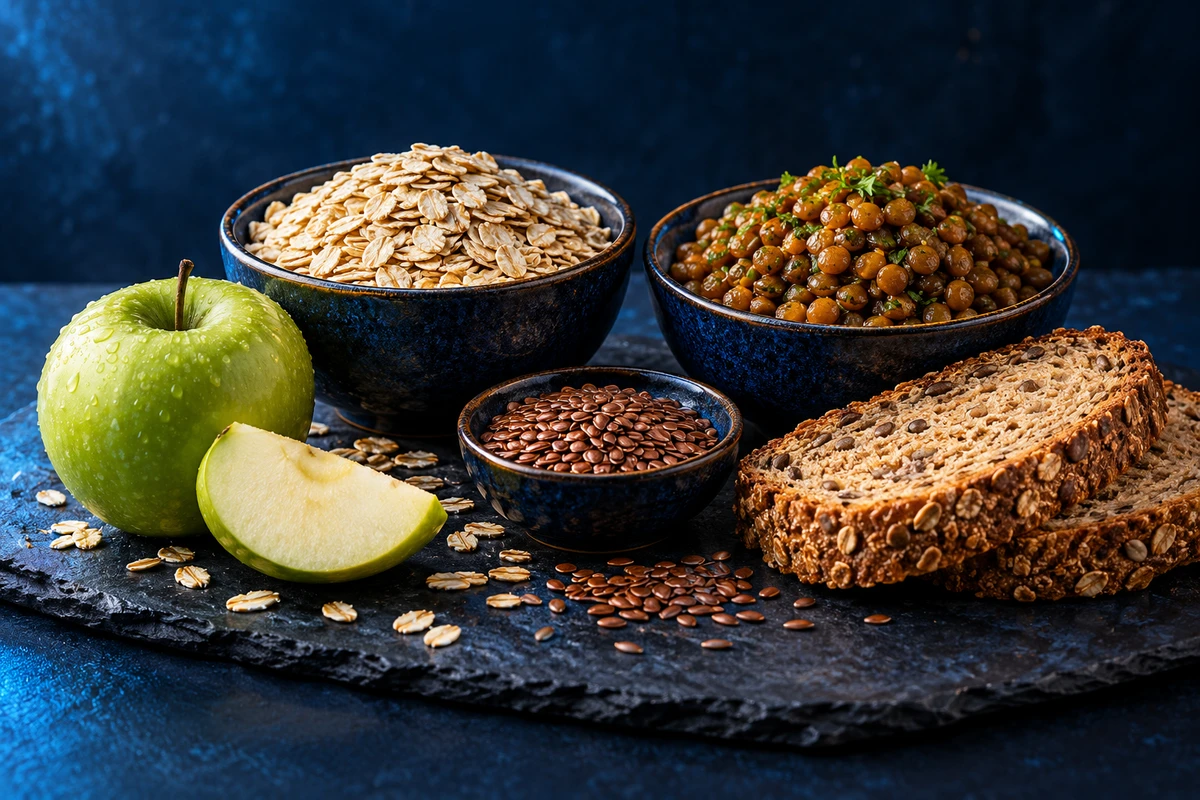
A balanced dietary pattern can reduce the risk of metabolic fatty liver disease: energy control, reduction of sugary drinks and ultra-processed foods, adequate protein and fiber intake and regular physical activity are more important than short-term "cleansing".
Grapefruit, turmeric, concentrated green tea, and herbal supplements can interact with medications or even damage the liver in some cases. Naturalness does not guarantee safety or definitive enhancement of detoxification pathways.
When should you follow up seriously?
In this situation, arbitrary use of "liver protector" supplement can delay the diagnosis. Give your doctor a list of all medications and supplements, and do not stop taking any essential medications without a prescription.
- Yellowing of the skin or eyes, dark urine, light-colored stools, widespread itching or persistent pain in the upper right side of the abdomen
- Persistent nausea, confusion, unusual sleepiness, bleeding, or abdominal swelling
- Elevation of liver enzymes after drug, supplement or anabolic steroid
Frequently asked questions
Does detox juice cleanse the liver?
There is no evidence to cleanse or reset the liver with juice. The liver and kidneys are constantly metabolizing and excreting, and extreme diets can be insufficient or high in sugar.
What is the third phase of detoxification?
The third phase is a term for transferring metabolites out of the cell and directing them to the bile or blood for excretion through feces or urine.
Does sweating remove toxins?
Sweating is mainly for temperature regulation and the main route of excretion of most drugs and metabolites is kidney and bile.