Short answer: What to eat to lower LDL?
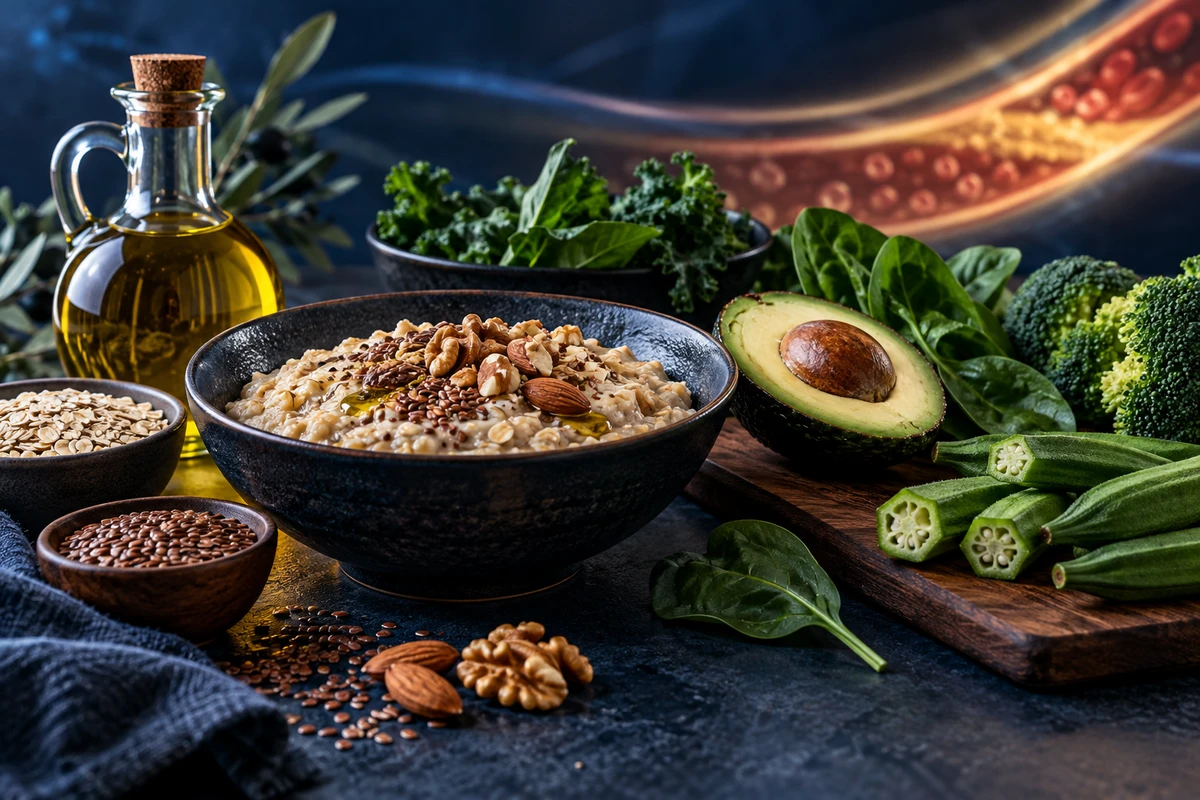
Instead of focusing on one ingredient, combine several changes: replace saturated fat in butter, tallow, and fatty meats with olive oil, nuts, and seeds; Increase oats, barley, legumes and vegetables for soluble fiber; and manage weight, activity and smoking.
These changes can lower LDL, but do not replace prescribed medication in high-risk individuals. Test results, family history, diabetes, blood pressure, and overall cardiovascular risk will determine whether diet alone is sufficient.
Oats and beta-glucan; The clearest food evidence
Oat and oat beta-glucan is a soluble and viscous fiber that reduces the reabsorption of bile acids. A meta-analysis of 28 trials showed that intake of at least 3 grams of barley beta-glucan per day reduced LDL by an average of 0.25 mmol/L.
The effect is dependent on the actual amount of beta-glucan, not just the "contains barley" label. Gradually increasing fiber and drinking enough water is important to reduce bloating and constipation.
Unsaturated fat: substitution is more important than addition
Olive oil, avocado, walnuts, almonds and seeds provide unsaturated fats. The main benefit is seen when these substances take the place of saturated fat; Adding them doesn't necessarily give the same result regardless of the total energy.
Fatty fish helps lower triglycerides more than LDL. Therefore, the choice of food should be in harmony with the person's blood test pattern.
portfolio regime; The combined effect of foods
Portfolio pattern is a combination of viscose fiber, nuts, plant protein and plant sterols. In a six-month trial of 351 people with hyperlipidemia, this pattern lowered LDL by about 13 to 14 percent; Greater adherence was associated with better response.
This number is the average of the group and is not repeated for everyone. Plant sterols and fortified products are not necessary for everyone and in some cases should be checked with a specialist.
About garlic, ginger, turmeric and green tea
These substances can be part of a varied dietary pattern, but their effect on LDL is usually smaller and more heterogeneous than that of soluble fiber, saturated fat replacement, and the portfolio diet. The term "natural" does not mean non-interfering.
If you are taking blood thinners, blood pressure medication, or liver medication, do not add concentrated herbal supplements without coordination.
A simple pattern to start with
If you have very high LDL, a family history of premature heart disease, diabetes, or heart disease, don't delay a medical evaluation. Food supports treatment, but is not always a substitute for it.
- Breakfast: oatmeal with fruit and a controlled amount of nuts or ground flax seeds
- Lunch/Dinner: Half a plate of vegetables, legumes or whole grains and a suitable source of protein
- Cooking fat: replace some of the saturated fat with olive oil or nuts
- Follow-up: repeat the test at the time determined by the doctor, not judging by a few days
Frequently asked questions
What is the best LDL-lowering food?
There is no single food. Oats and oats rich in beta-glucan, legumes, nuts and replacing saturated fat with unsaturated fat are good supports.
Does olive oil cure cholesterol?
Olive oil can be part of a heart-friendly regimen when replaced with saturated fat, but it is not a definitive treatment or replacement for medication alone.
When should the test be repeated?
Follow-up time depends on the initial LDL value, treatment change and cardiovascular risk and should be determined with the physician.