Main similarity: sodium chloride
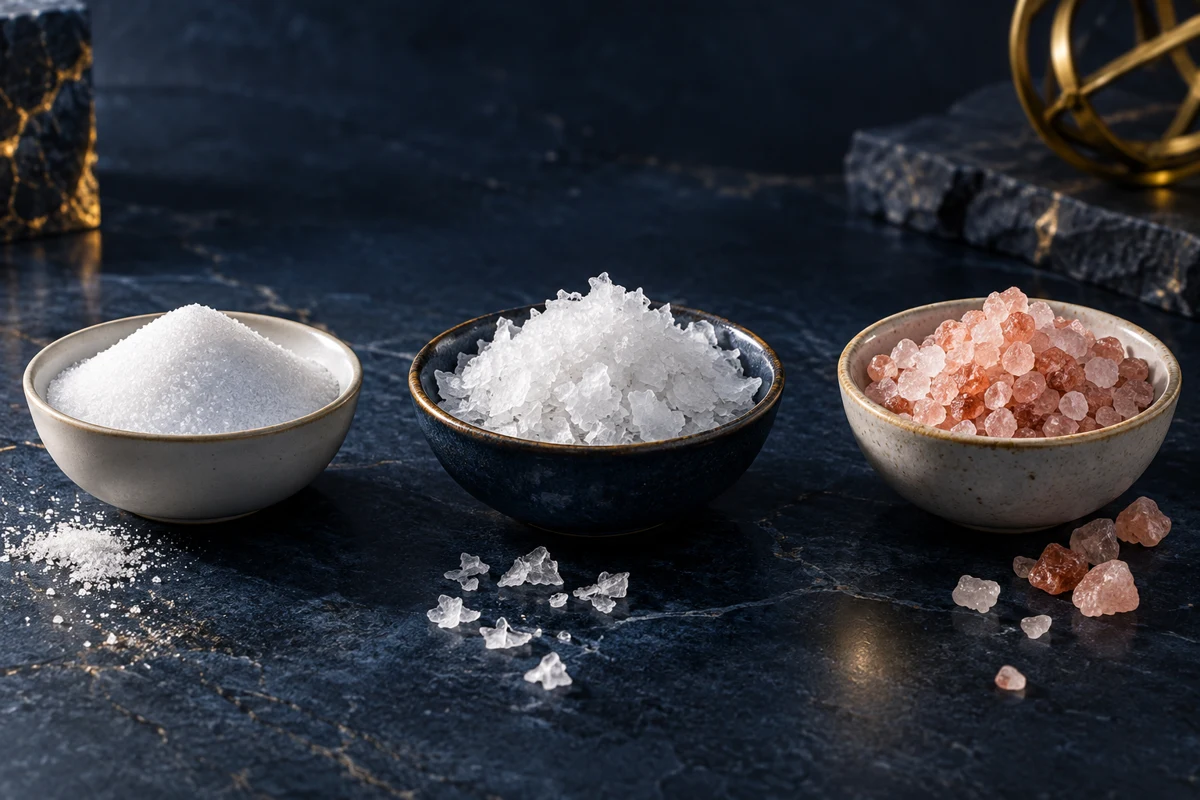
Refined salt, sea salt, and Himalayan pink salt are all primarily composed of sodium chloride. Therefore, their main effect on sodium intake, blood pressure and fluid balance is more dependent on the amount consumed than on the color or origin of the salt.
A larger crystal may fit less weight in a spoonful, but the difference in sodium is usually small if the same weight is compared.
iodine; A difference of general importance
Refined iodized salt is enriched to prevent iodine deficiency. Iodine is essential for the production of thyroid hormones and the WHO recommends fortifying table salt with iodine along with reducing sodium intake.
Sea or Himalayan salt does not necessarily have enough iodine. If fish, dairy, or other sources of iodine are insufficient, complete replacement of iodized salt without checking the diet can reduce iodine intake.
Minor minerals and claim superiority
The pink color mainly comes from very small amounts of elements such as iron. Magnesium, potassium and calcium in natural salts are usually so low that a lot of salt must be consumed to meet the daily requirement; What is not desirable in terms of sodium.
So terms like "complete electrolyte" or "more mineral and healthier" can be misleading, regardless of the actual amount.
Pollution and quality control
Research has reported microplastic particles in samples of a variety of salts, but the amount varies between markets and assay methods, and the exact clinical implications are still unclear.
The word natural alone does not guarantee purity. Production standard, reliable packaging, purity and pollution control are more important than the market origin of the product.
What is a reasonable choice for an athlete?
In profuse sweating, the sodium replacement schedule should depend on the duration, intensity, weather, and rate of the individual's sweating. Salt type alone does not replace a tailored exercise solution or individual program.
For daily intake, manage total salt intake, and in the absence of medical contraindications, standard iodized salt is a more practical choice. Special sports needs or kidney, heart and blood pressure disease should be evaluated individually.