normal RBC, low hemoglobin; why
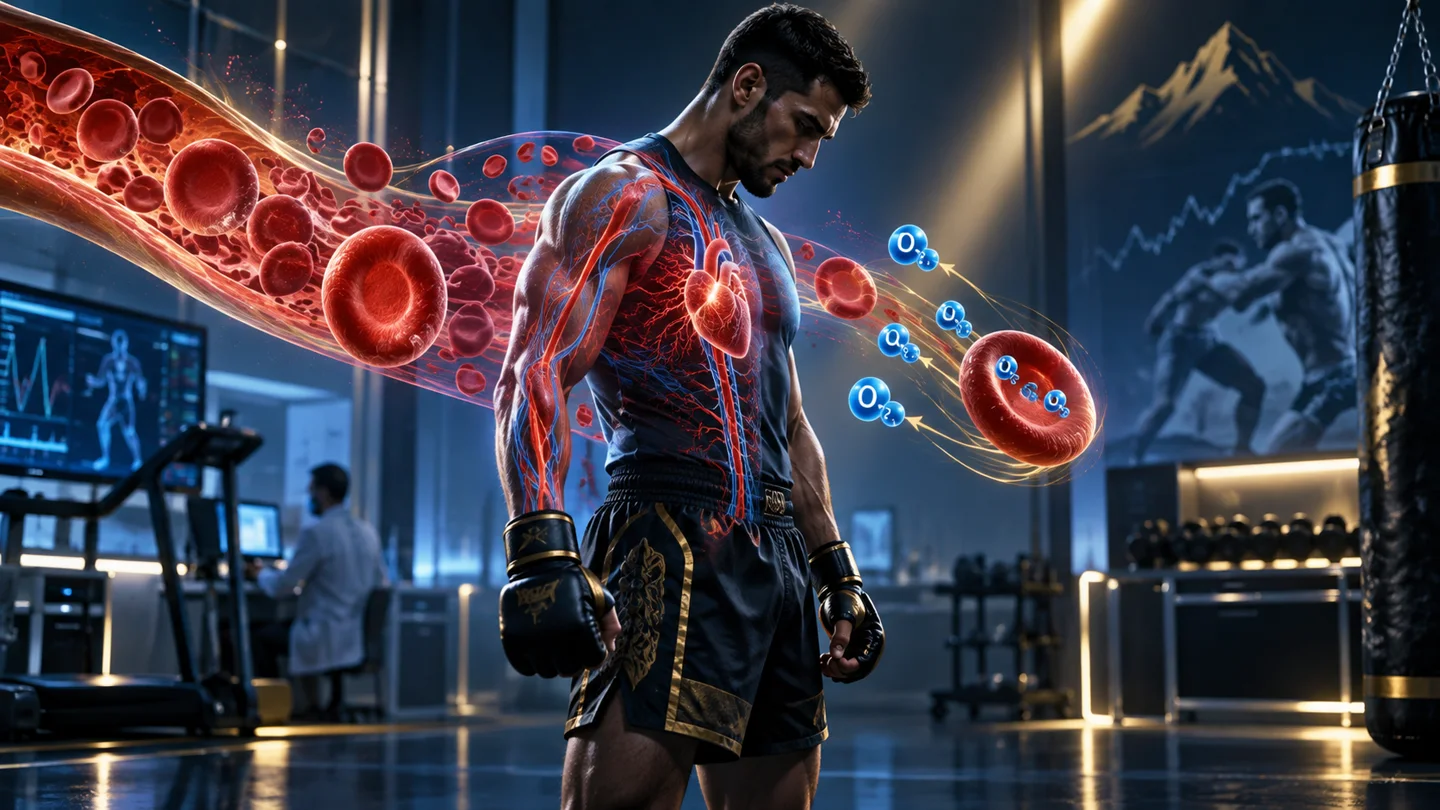
The red blood cell count is only one part of the picture. The size of the red blood cells, the amount of hemoglobin per cell, the volume of plasma, the storage and availability of iron, vitamin B12 and folate, as well as inflammation can change the result of a CBC.
In endurance athletes or with a high training volume, an increase in plasma volume sometimes indicates a low hemoglobin concentration; This condition is not the same as true anemia and should be interpreted in conjunction with other indicators.
Iron deficiency and the role of hepcidin
Iron is essential for oxygen transport and energy metabolism. Low ferritin can indicate decreased stores, but ferritin is also elevated in inflammation and its interpretation without a clinical context may be misleading.
Intense exercise can increase IL-6 and then hepcidin for several hours. Hepcidin limits the absorption of iron from the intestine and its release from stores; Timing of exercise, meal, and test are important in interpreting iron status.
What other factors are important in martial arts?
Fatigue, loss of stamina and pallor are not specific to iron deficiency. Diagnosis should be based on history, examination and series of tests.
- Rapid weight loss and inadequate intake of energy or micronutrients
- Menstrual bleeding, gastrointestinal bleeding or blood donation
- Hemolysis caused by repeated foot strikes, sweating and high training load
- B12 or folate deficiency, gastrointestinal diseases and chronic inflammation
- Exercise at altitude and increased erythropoietic demand
From experiment to nutritional decision
The doctor may request a CBC with globulin indices, ferritin, iron, iron binding capacity or transferrin saturation, CRP and, if necessary, B12, folate and check the cause of bleeding. Sampling time relative to exercise and body water status should be recorded.
Meat, fish and poultry provide heme iron. Legumes and green leafy vegetables are sources of non-heme iron and vitamin C can improve absorption. Tea, coffee, and high doses of calcium near iron meals may decrease absorption.
iron supplement; Only after diagnosis
The dose and form of iron should be determined based on testing, cause of deficiency and gastrointestinal tolerance. Arbitrary consumption can lead to gastrointestinal side effects, iron overload, and hiding the underlying cause.
Iron injection is not chosen for a faster response and is only considered under certain medical conditions. The athlete must coordinate the test result and treatment plan with a qualified physician or nutritionist.