What do bile acids do?
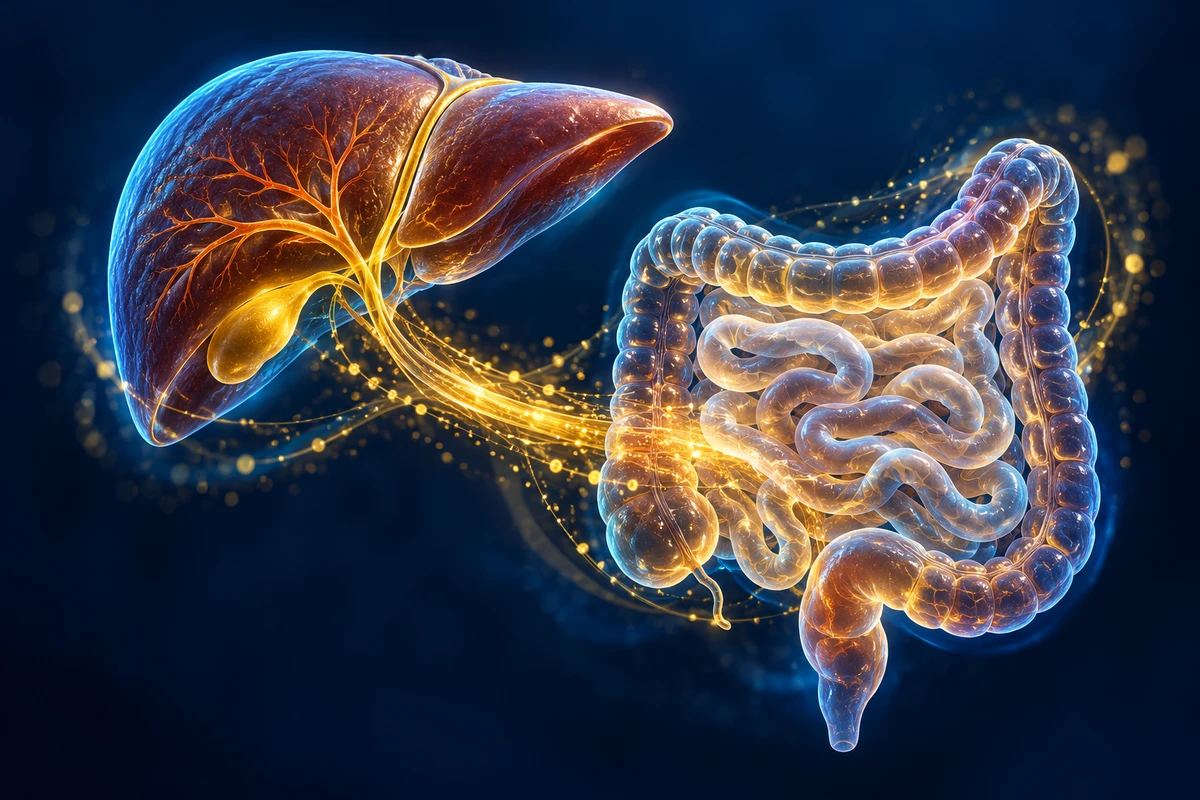
Bile acids are made in the liver, stored in the gallbladder and enter the intestine after eating. Their known role is to aid in the digestion and absorption of fats and fat-soluble vitamins.
Most of the bile acids are reabsorbed at the end of the small intestine and return to the liver through the portal vein; A process called intestinal-hepatic circulation. Impaired production, flow or reabsorption of bile can be associated with cholestasis and increased liver markers.
How can anabolic steroids damage the liver?
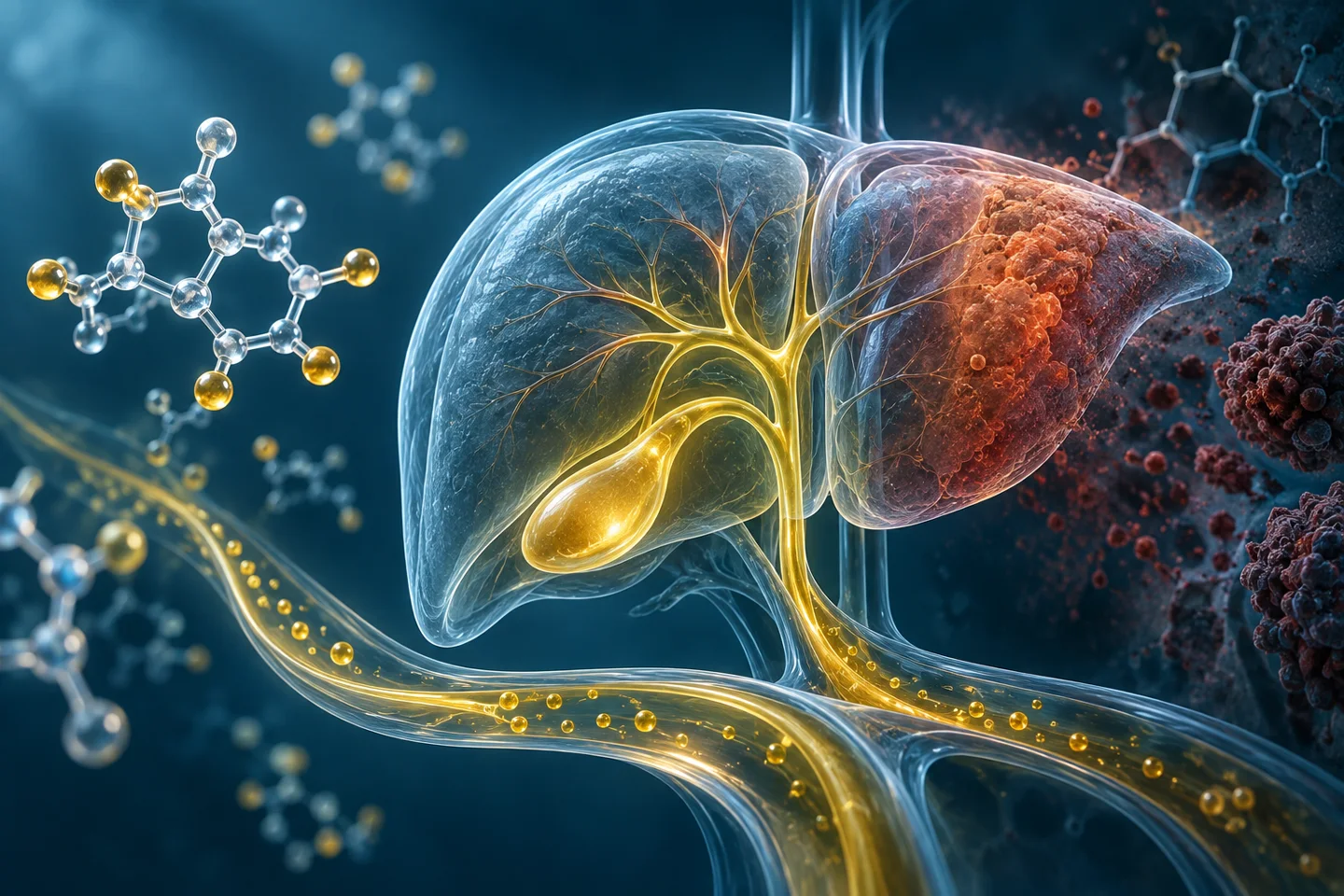
Liver damage is one of the known side effects of anabolic-androgenic steroids. The classic pattern can be cholestatic; It means that the flow of bile is disturbed and causes symptoms such as jaundice, itching, dark urine or abdominal pain.
The risk is more reported in oral 17-alpha alkyl compounds, but the injectable form is not considered safe either. The absence of symptoms does not rule out injury; Clinical and laboratory evaluation should be done by a doctor.
What is TUDCA and why is it raised?
TUDCA is a hydrophilic bile acid and conjugated derivative of UDCA. Laboratory studies and some clinical data have investigated anticholestatic and cell protection effects in specific liver diseases.
These proposed mechanisms include improving bile secretion, reducing endoplasmic reticulum stress, modulating oxidative stress, and reducing cell death pathways. The existence of a biological mechanism alone does not prove that TUDCA can prevent or reverse the harm caused by non-therapeutic use of steroids.
Are TUDCA and UDCA the same?
UDCA is a well-known drug for some biliary diseases with specific indication and dosage. TUDCA is its taurine conjugated form and is not exactly equivalent to the pharmaceutical version of UDCA in terms of absorption, metabolism and body of evidence.
Brand name, supplement and prescription drug should not be used interchangeably. The choice of treatment for cholestasis or increased liver enzymes depends on the underlying cause, the severity of the injury and the results of the tests.
Safe and practical summation
No supplement makes anabolic steroids safe. If jaundice, widespread itching, abdominal pain, persistent nausea, dark urine or light stools occur, self-administration should be stopped and medical evaluation should be performed immediately.
Testing and decisions about TUDCA, UDCA, or any other intervention should be under physician supervision. This material is for teaching physiology and understanding the evidence and does not provide a cycle protocol, PCT or medication prescription.