in one place
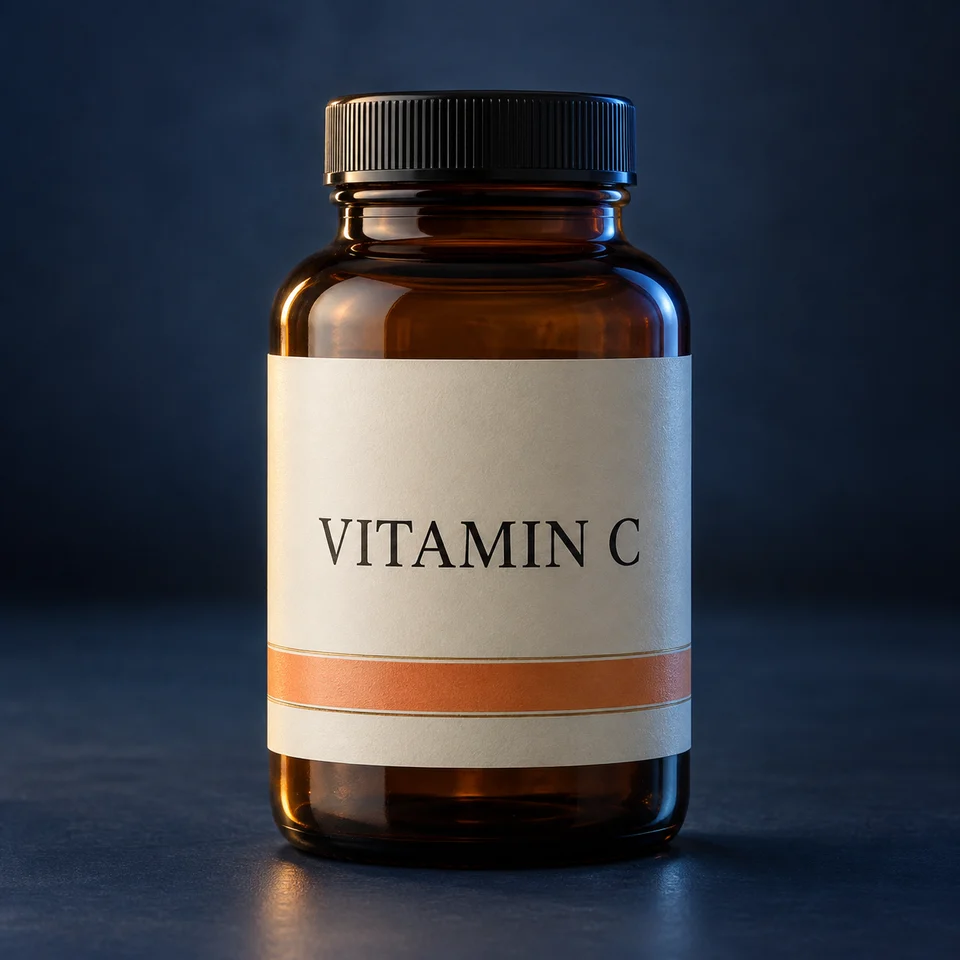
Vitamin C is essential for the production of collagen and several biological processes. Adequate intake is important, but too high amounts do not guarantee better recovery, greater safety, or comprehensive treatment.
- Fruits and vegetables have received important resources.
- Being soluble in water does not guarantee unlimited use.
- The role of collagen is not the same as treating osteoporosis or joint damage.
How does vitamin C work?
Vitamin C or ascorbic acid participates in the hydroxylation reactions necessary for the proper construction of collagen. Collagen is an important part of connective tissue, but the health of this tissue depends on a combination of nutrition, mechanical load, disease and repair.
This vitamin can increase the absorption of non-heme iron and plays a role in the antioxidant network. Reactive oxygen species are not just waste products; Some compatibility messages are also related to them. Therefore, aiming for maximum antioxidant intake is not an automatically better strategy for training.
Effects and state of evidence
This table summarizes the effect of each application separately; Labels are not formal ratings of the quality of evidence.
| application or consequence | Summary of evidence | Practical interpretation |
|---|---|---|
| Prevention and correction of deficiency | Known role | Adequate intake is necessary for the normal functioning of the body; Deficiency is different from sufficient condition. [1] |
| More safety and recovery with a very high dose | Not guaranteed | A biological role or marker change does not provide the universal promise of disease reduction and exercise improvement. [1] |
| Treatment of joint damage or osteoporosis | It does not result from the role of collagen | This page does not introduce vitamin C or its combination with lysine as a stand-alone treatment for these problems. [1] |
Conscious use and choice
Citrus fruits, bell peppers, and many fruits and vegetables can help with absorption. Food diversity does not provide just one vitamin; Fiber and other compounds are also important. Deficiency assessment should rely on diet, symptoms, and medical conditions, not megadose selection ad hoc.
See total intake from multivitamin, drink and supplement separately. Don't assume more expensive advertising forms are superior without proof. If you take an iron supplement or the body iron is high, the role of vitamin C in iron absorption should be seen in the treatment plan.
Complications, interactions and precautions
- High consumption can cause digestive discomfort. Kidney disease, history of stones and iron overload require specific investigation.
- Do not manage pain or unusual symptoms by increasing dosage. Being soluble in water does not mean the absence of complications or interference.
Differences with related supplements
Vitamin C, NAC, and glycine play roles in different or related networks; The existence of several names of antioxidants is not a sufficient reason for combined and high amounts.
Common questions about vitamin C
Does high vitamin C increase recovery?
Such universal and linear relationship has not been proven. Adequate nutrition is different from eating too much.
Is vitamin C important for collagen?
Yes, it plays a role in the proper production of collagen; But this role does not prove the independent treatment of joint damage or osteoporosis.
Is it safe because it is soluble in water?
no A large amount can cause complications, and kidney conditions or iron overload are important.
Sources and compilation method
Edited by Dr. Hamed Zarafati's website editor, based on the submitted notes and linked research sources. This page does not claim to be a final medical review or specific recommendation from a doctor. Evidence certainty and study population are important in interpretation; The article is not an independent systematic review.