
What does FODMAP stand for?
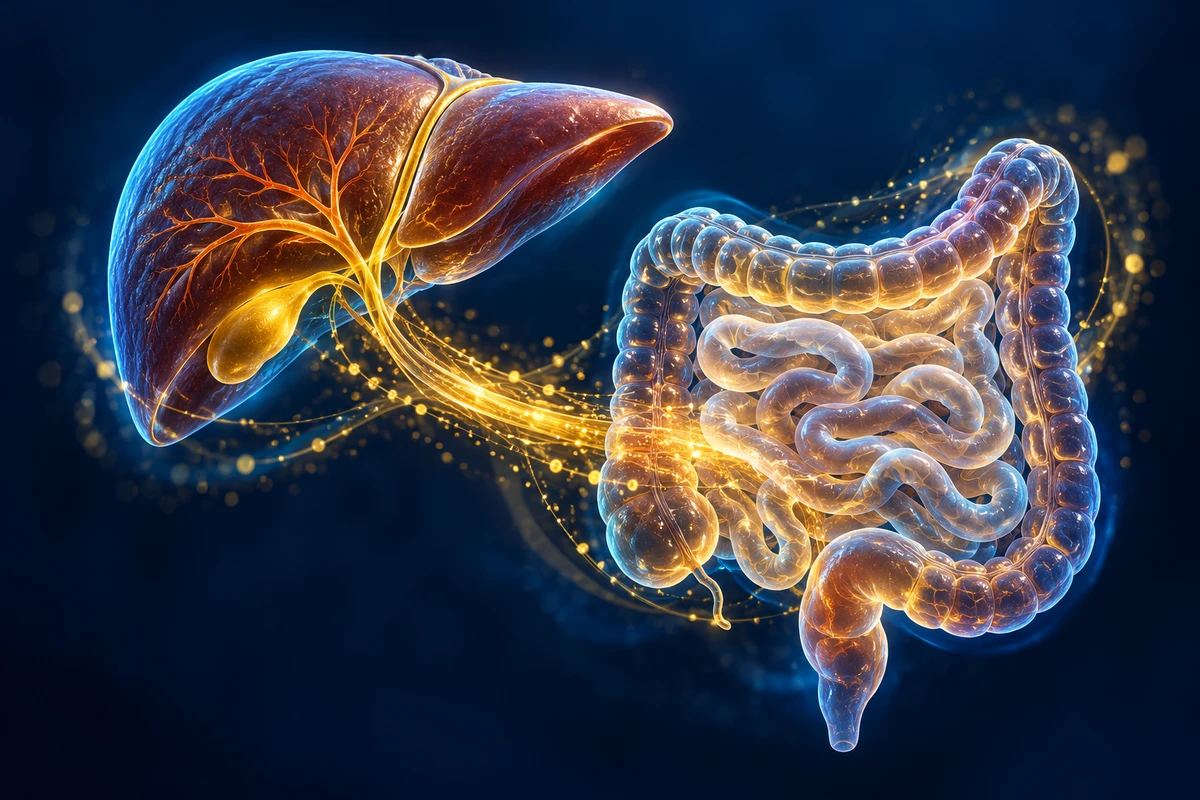
FODMAP refers to a group of fermentable short-chain carbohydrates and polyols: oligosaccharides, disaccharides, monosaccharides, and polyols. The absorption of some of them is limited in the small intestine.
Entering these compounds into the large intestine can draw more water into the intestine and produce gas with microbial fermentation. This process is normal, but in some people with IBS, it is accompanied by pain, bloating, diarrhea, or changes in bowel movements.
Who is this diet for?
The CFODAMP diet is an evidence-based intervention for the management of IBS symptoms, not a one-size-fits-all diet and not a diagnostic test. Warning signs and other diagnoses such as celiac disease, inflammatory bowel disease, or specific intolerances should be checked before dietary restrictions.
Unwanted weight loss, bleeding, fever, anemia, waking up at night with symptoms, or a family history of serious illness require medical evaluation.
Three stages: limitation, re-introduction, personalization
The first stage is a short-term restriction, usually four to six weeks. If symptoms do not improve significantly, continued extensive restriction is not reasonable.
In the second step, FODMAP groups are regularly reintroduced to determine individual triggers and tolerable amounts. The third stage is a personalized and varied pattern that limits only the individual's actual stimuli.
Common foods high in FODMAPs
High or low FODMAPs depend on the type and amount of food. The Internet fixed list is not a substitute for personal assessment of portion sizes and tolerances.
- Some fruits such as apples, pears, mangoes and dried fruits
- Onions, garlic, cauliflower and some mushrooms
- Wheat and rye in normal amounts, legumes and some nuts
- Regular milk and yogurt in lactose intolerance
- Polyols such as sorbitol, mannitol and xylitol
Why is professional performance important?
Long and unplanned restriction can reduce food variety, intake of fiber and some micronutrients and make the person's relationship with food difficult. In addition to controlling symptoms, athletes must maintain sufficient energy and carbohydrates for training.
The dietitian's support in selecting alternatives, recording symptoms, and structured reintroduction helps to transform the diet from a permanent forbidden list into a personal and temporary tool.